
Blog/Safety
Strong winds ahead: how to ride and park your motorcycle safely
Super Typhoon Rosal may bring strong gusts to Ilocos Norte. Here is how to prep your bike, ride in crosswinds and park it safely.
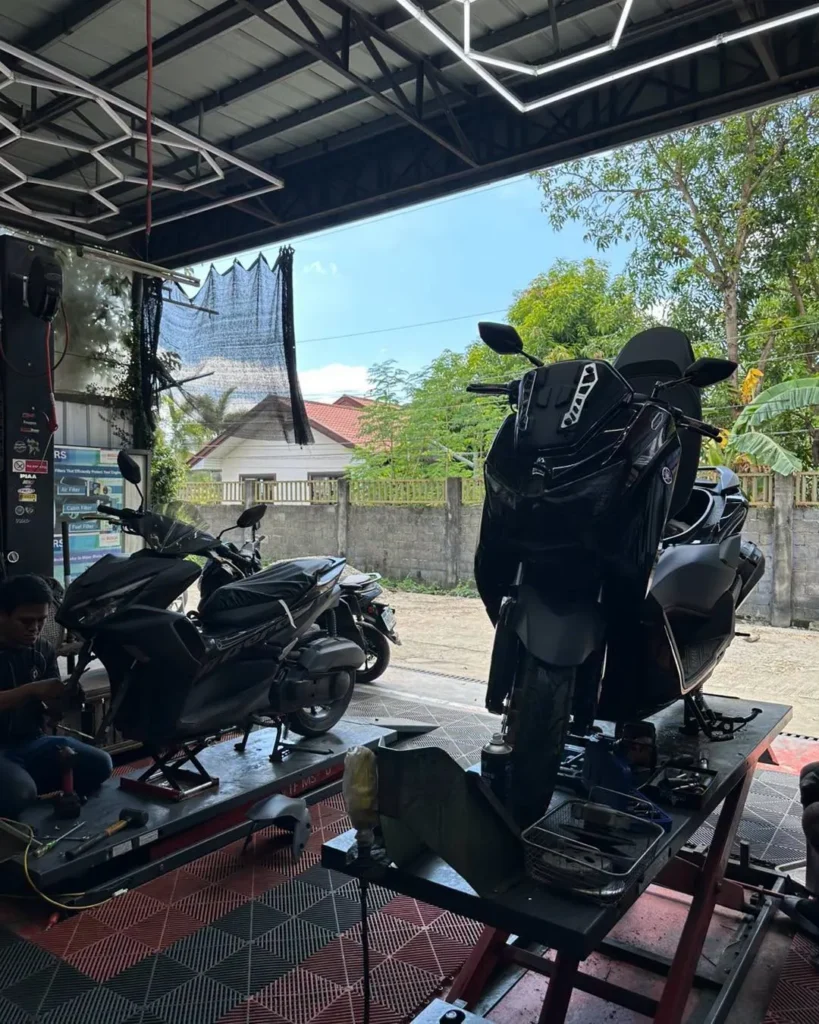
Super Typhoon Rosal entered the Philippine Area of Responsibility this week. PAGASA says it is unlikely to make landfall, but its outer bands and the northeasterly winds can still bring strong to gale-force gusts to northern Luzon, including Ilocos Norte. For riders, wind is a real danger, even on a dry road. Here is how to get your bike ready, ride safely in gusts, and park so it is still standing in the morning.
Who feels the wind the most
Every bike gets pushed around in strong wind, but some feel it more than others.
- Light scooters and underbones like the Click, Mio, Raider and Sniper get pushed sideways more easily.
- Bikes with big front panels or windscreens, like the NMAX, PCX, ADV and XMAX, catch more side wind.
- Top boxes, side bags and tall loads act like a sail.
- Coastal roads, bridges, open rice fields and gaps between buildings get the strongest gusts. Around Batac and Laoag, the open highway stretches are the worst.
Quick bike check before you ride
A bike in good shape is easier to control when a gust hits. Take five minutes for this checklist:
- Tire pressure set to the sticker or manual value. Low tires feel vague and wobbly in side wind.
- Tire tread still good, with no cracks or bald spots, since wind often comes with rain.
- Both brakes firm and responsive.
- Mirrors, windscreen, top box and body panels tight. Loose parts rattle and can fly off.
- Headlight, tail light and signals working. Visibility drops fast in a storm.
- Nothing loose tied to the bike. Remove or tightly secure bags and cargo.
How to ride in strong gusts
- Slow down. Lower speed gives you more time to react when the wind pushes you.
- Relax your arms and keep a light grip. Stiff arms make the bike twitch.
- Grip the tank or seat with your knees or legs to stay planted.
- Lean slightly into a steady side wind. Let the bike move a little instead of fighting it.
- Ride in the middle of your lane so a gust does not push you into the shoulder or into traffic.
- Watch for gaps between buildings, trees and trucks. The wind often hits hard right after you pass them.
- Give big trucks and buses more space. They create their own blast of air.
- Look out for fallen branches, flying sheets of roofing, and sand or leaves on the road.
If the gusts keep pushing you across the lane, pull over somewhere safe and wait. No trip is worth the risk.
Park it so it stays up
Many bikes get damaged while parked, not while riding. A tipped-over bike can break a lever, mirror, panel or signal light.
- Park indoors or in a garage if you can.
- Use the center stand on firm, flat ground. If you only have a side stand, face the bike into the wind.
- Do not park under trees, signboards, loose roofing or near walls that could fall.
- Skip the bike cover in very strong wind. It catches air and can pull the bike over.
- Avoid low spots that flood when the heavy rain comes.
After the storm, let MotoNorte check it
If your bike fell over, rode through heavy rain, or feels different after the storm, bring it in. We check the brakes, tires, levers, lights, chain or CVT, and electrical system, and we explain what we find and the price before we start any work.
Walk in to our shop in Batac City or book online. Follow PAGASA updates this week, and stay home when the wind is too strong to ride.