
Blog/Safety
Typhoon prep: protect your motorcycle before and after a storm
Simple steps to protect your motorcycle before a typhoon, and what to check after the storm before you start the engine.
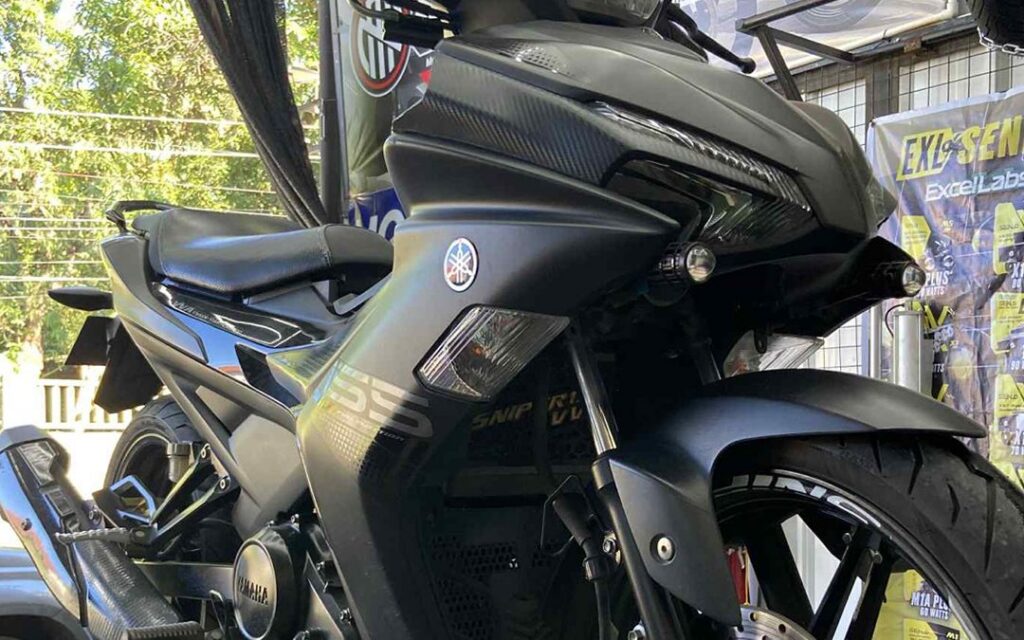
Typhoon season is not over yet. PAGASA expects more tropical cyclones to form this October, and Northern Luzon often gets heavy rain and strong winds when one passes. A few simple steps before the storm, and a careful check after it, can save your motorcycle from rust, electrical trouble and expensive engine damage.
Before the storm: park smart
Where your bike sits during a typhoon matters more than anything else. Floodwater is the biggest danger, and strong wind is next.
- Park on the highest ground you can find, or inside a garage or under a solid roof. Stay away from low spots where water collects.
- Keep the bike away from trees, loose GI sheets, signboards and walls that could fall.
- Use the center stand if you have one. It is more stable than the side stand in strong wind.
- Park it facing into a wall or tie it to something solid so gusts cannot push it over.
- Skip the cover if the wind is strong. A cover can act like a sail and tip the bike. Use it only when the bike is parked indoors.
Quick prep checklist
- Fill up the tank. A full tank leaves less room for moisture, and fuel stations may close after the storm.
- Charge your phone and keep your registration papers in a waterproof bag.
- Plug the exhaust tip with a clean rag or a plastic bag held with a rubber band. Remove it before you start the engine.
- Check that your battery is in good shape and your lights and horn work, in case you need to ride in poor visibility.
- Take photos of your bike for your records.
After the storm: inspect before you ride
Do not start the engine right away if your bike was standing in water. If water reached the air box, exhaust or engine, starting it can pull water into the cylinder and bend parts inside. This is costly to fix and easy to avoid.
Walk around the bike first and look for these signs:
- Mud or a water line on the engine, frame or seat
- Water or a milky colour in the oil window or on the dipstick
- Water inside the air filter box or in the exhaust
- Wet or muddy wiring, connectors, fuse box or battery terminals
- Brakes that feel soft or grab unevenly
- On scooters like the Click, NMAX, Aerox or PCX, a CVT case that took in water
If you see any of these, push the bike to a shop instead of riding it. Water in the oil means an oil change is needed before the engine runs. A wet CVT can slip and wear the belt fast. Wet electrical parts can short out days later, not right away.
Even if it stayed dry
Bikes that only got rained on still need some care. Wash off mud and sand, dry it well and lube the chain on underbones and big bikes like the Sniper, Raider or MT-09. Test both brakes at low speed before you ride on the road. Roads after a typhoon may have mud, debris, potholes and fallen wires, so ride slowly and stay alert.
Let us check your bike after the storm
At MotoNorte, our Basic Check is ₱299 and covers the engine, brakes, tires, electrical and lights, with a summary of what we find. If your bike needs fresh oil and a full service after getting wet, our scooter PMS packages start at ₱1,899, all-in with oil and labor.
Walk in to our shop in Batac City or book online. Stay safe this typhoon season, and let us help you get back on the road with confidence.